


In 2026, the Roux-en-Y gastric bypass remains the gold standard bariatric procedure, creating an egg-sized stomach pouch to restrict food intake and reduce calorie absorption. This dual-mechanism surgery is performed minimally invasively using laparoscopic or robotic techniques at advanced centers like Midlands Clinic, leading to faster recovery. It delivers powerful results not just for weight loss but also for improving obesity-related conditions like Type 2 diabetes, hypertension, and high cholesterol, making it a cornerstone of metabolic surgery today.
- Roux-en-Y gastric bypass creates a small stomach pouch (about the size of an egg) and connects it to the small intestine, bypassing most of the stomach and upper intestine to restrict food intake and reduce calorie absorption.
- In 2026, the procedure delivers 60-70% excess body weight loss over 10-12 years, with superior durability compared to other bariatric methods, and significantly improves or resolves Type 2 diabetes, hypertension, and high cholesterol.
- Recent innovations include robotic-assisted surgery (Hugo™ RAS system) with 3D visualization, endoscopic revision options, and a deeper understanding of hormonal shifts (ghrelin reduction, GLP-1 increase) that drive long-term success.
- Recovery typically involves an overnight hospital stay and return to normal activities in 1-3 weeks, with lifelong vitamin supplementation (iron, calcium, B12) and permanent dietary restrictions to avoid complications.
How Does the Roux-en-Y Gastric Bypass Work in 2026?
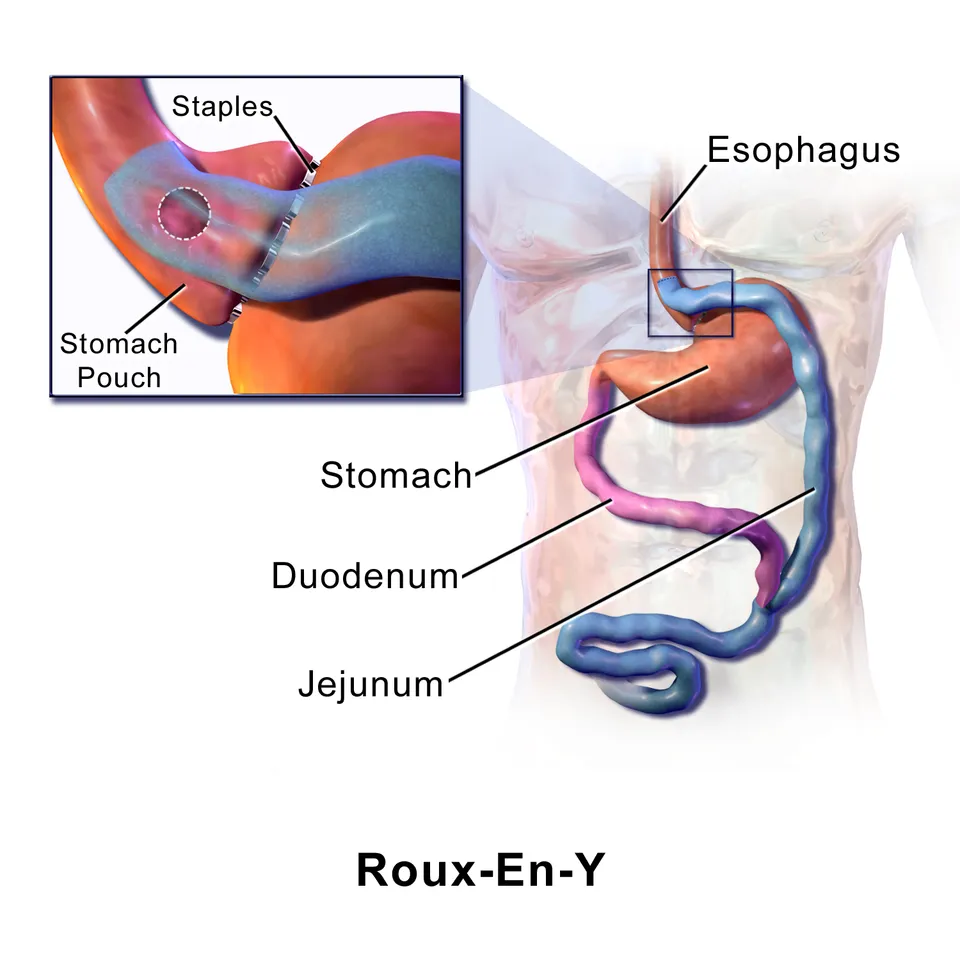
Egg-sized pouch: Surgical creation of the new stomach
Surgeons create a tiny stomach pouch during the Roux-en-Y procedure, which is about the size of a large egg. This is done by using surgical staples or sutures to divide the stomach, separating a small upper portion from the larger lower portion. The newly created pouch is then directly attached to a middle section of the small intestine, called the Roux limb.
This connection bypasses the rest of the stomach and the duodenum, the first part of the small intestine. The entire operation is performed laparoscopically or with robotic assistance through several small incisions, which significantly reduces postoperative pain, minimizes scarring, and speeds up the healing process compared to traditional open surgery.
Dual weight loss mechanism: Restriction meets malabsorption
The effectiveness of Roux-en-Y gastric bypass comes from two powerful, combined mechanisms:
* Restriction: The small, egg-sized stomach pouch can only hold a very limited amount of food at a time. This physical limitation causes patients to feel full much faster, after eating only a few bites, which naturally reduces calorie intake.
* Malabsorption: By routing food directly from the small pouch to the middle of the small intestine, the procedure bypasses the duodenum and part of the jejunum.
These are the primary sections where calories, fats, and nutrients are absorbed. Bypassing them means the body absorbs a significantly lower percentage of the calories and nutrients consumed.
This combination of restriction and malabsorption is what makes the Roux-en-Y so effective for sustained weight loss, typically leading to a loss of 60-70% of excess body weight over many years.
Metabolic benefits: Improvements in diabetes, hypertension, and cholesterol
Beyond shedding pounds, the Roux-en-Y gastric bypass is renowned for its ability to improve or even resolve serious metabolic diseases. Many patients experience a rapid improvement in Type 2 diabetes, sometimes within days or weeks of surgery, often before significant weight loss occurs. Similar benefits are seen with hypertension and high cholesterol, with many patients able to reduce or eliminate their medications.
These effects are linked to hormonal changes, particularly an increase in GLP-1 (glucagon-like peptide-1), a hormone that enhances insulin sensitivity and promotes satiety. Centers like the Midlands Clinic in Siouxland emphasize that for patients with significant metabolic issues like diabetes, the Roux-en-Y is often the most effective bariatric option, offering a higher success rate for metabolic resolution with manageable risks compared to other procedures.
2026 Innovations: Robotic Surgery and Endoscopic Advances
Hugo™ RAS system: 3D visualization and enhanced articulation
The adoption of advanced robotic-assisted surgery systems, such as the Hugo™ RAS, is increasing in 2026. These systems offer several key advantages for complex procedures like gastric bypass:
* 3D High-Definition Visualization: Surgeons see a magnified, three-dimensional view of the surgical field, providing exceptional depth perception and detail.
* Enhanced Instrument Articulation: The robotic arms have “wristed” instruments that mimic and exceed the range of motion of a human hand, allowing for precise suturing and dissection in tight anatomical spaces.
* Improved Precision and Flexibility: The combination of stable, tremor-filtered instrument control and superior visualization reduces tissue trauma, which can lead to fewer complications and faster patient recovery.
Endoscopic gastrojejunostomy: Non-surgical revision option
For patients who experience weight regain or complications years after their initial bypass, a new non-surgical revision option is proving effective. Endoscopic gastrojejunostomy is performed through the mouth using an endoscope, requiring no external incisions. The gastroenterologist or surgeon uses the endoscope to access the connection (anastomosis) between the stomach pouch and the small intestine.
They then use specialized tools to narrow this opening, effectively reducing the pouch’s capacity again. This is a major advancement because it avoids the risks and longer recovery associated with a traditional open revision surgery, offering a safer, outpatient alternative for select patients.
Hormonal shifts: Ghrelin reduction and GLP-1 increase
Recent research highlights that the long-term success of Roux-en-Y is deeply tied to profound hormonal changes, not just physical restriction:
* Ghrelin Reduction: Ghrelin, known as the “hunger hormone,” is primarily produced in the part of the stomach that is bypassed. By reducing the functional stomach tissue and altering gut flow, the procedure leads to a significant and sustained decrease in ghrelin levels, reducing hunger signals.
* GLP-1 and Satiety Hormone Increase: The new anatomy causes food to reach the distal small intestine faster, triggering a strong release of GLP-1 and other satiety hormones. This leads to earlier feelings of fullness, better blood sugar control, and improved insulin sensitivity.
* Metabolic Edge: These hormonal shifts explain the rapid diabetes resolution seen in many patients and are considered a primary driver of the procedure’s superior long-term weight loss durability compared to purely restrictive operations.
Outcomes, Risks, and Recovery: What to Expect in 2026
60-70% excess weight loss: 10-12 year durability and metabolic benefits
Long-term data from 2026 continues to confirm that Roux-en-Y gastric bypass provides exceptional, durable results. Patients can expect to lose 60-70% of their excess body weight, and this weight loss is maintained over 10-12 years or longer, outperforming many other bariatric procedures in terms of long-term weight regain.
This durability stems from the combined effects of restriction, malabsorption, and the permanent hormonal reset. The metabolic benefits—such as the resolution of Type 2 diabetes, hypertension, and dyslipidemia—also persist for the vast majority of patients, contributing to a reduced long-term mortality rate and an increased life expectancy of up to 9.3 years for obese adults with diabetes, according to meta-analyses.
Risks and downsides: Digestive issues, nutritional deficiencies, and lifestyle restrictions
While highly effective, the Roux-en-Y procedure carries specific risks and requires permanent lifestyle changes. The following table categorizes the primary concerns:
| Risk Category | Common Issues/Complications | Prevention/Management |
|---|---|---|
| Digestive Problems | Nausea, vomiting, abdominal pain, diarrhea, dumping syndrome (rapid heart rate, sweating, dizziness after eating sugary foods). | Strict adherence to dietary progression rules; eating slowly; avoiding high-sugar and high-fat foods; thorough chewing. |
| Nutritional Deficiencies | Iron deficiency anemia, calcium/vitamin D deficiency (leading to osteoporosis), vitamin B12 deficiency, protein malnutrition. | Lifelong daily supplementation with multivitamin, iron, calcium citrate with vitamin D, and vitamin B12 (often sublingual or injection). Regular blood tests with a dietitian. |
| Other Complications | Marginal ulcer at the intestine connection, gallstones, bowel obstruction, staple line leak (rare), internal hernia. | Avoiding NSAIDs (like ibuprofen); reporting severe abdominal pain immediately; following dietary guidelines to prevent strictures. |
| Lifestyle Restrictions | Permanent inability to tolerate large meals; severe discomfort from certain foods. | Permanent avoidance of sugary treats, fried foods, carbonated beverages, alcohol, and processed snacks. Commitment to high-protein, nutrient-dense diet. |
Recovery timeline and costs: Hospital stay, activity return, and vitamin supplementation
Recovery from Roux-en-Y gastric bypass in 2026 follows a predictable staged plan:
1. Hospital Stay: Most patients remain in the hospital for one overnight stay. Same-day discharge is possible in some outpatient centers but is not the norm.
2.
First Few Days (Days 1-3): Diet is restricted to clear liquids only (water, broth, sugar-free gelatin) to allow the new stomach pouch and intestinal connections to heal without strain.
3. Week 1-2: Patients progress to full liquids (protein shakes, milk, cream soups) and very soft foods. Pain is managed with prescribed medications, and light walking is encouraged.
4.
Weeks 2-3: Soft solid foods are gradually reintroduced. Most patients feel comfortable returning to normal activities and desk work within this 1-3 week window, though strenuous exercise is restricted for longer.
5.
Long-Term: Lifelong commitment is required. This includes taking daily vitamin and mineral supplements (a comprehensive multivitamin, iron, calcium citrate with vitamin D, and vitamin B12) and attending regular follow-up appointments with a registered dietitian to monitor nutritional status and weight loss progress.
The typical total cost for Roux-en-Y gastric bypass surgery in 2026 is around $6,750, which usually covers the procedure itself, the hospital stay, necessary medications, nutrition planning sessions, and the pre-operative consultation. This price is highly variable based on geographic location, hospital, surgeon, and insurance coverage. Patients with private insurance, Medicare, or Medicaid often have significant portions of this cost covered after meeting deductibles.
The Midlands Clinic in Dakota Dunes offers expert bariatric care for patients considering this life-changing procedure. You can learn more about their comprehensive surgical services by visiting the Midlands Clinic Dakota Dunes surgery page.
Comparing Bariatric Options: Is Gastric Bypass Right for You?

While Roux-en-Y gastric bypass is the gold standard for durability and metabolic improvement, other bariatric procedures like sleeve gastrectomy are also highly effective. The best choice depends on an individual’s specific health profile, weight loss goals, and willingness to adhere to lifelong supplementation. For a detailed comparison of sleeve gastrectomy versus gastric bypass, including their distinct mechanisms and recovery profiles, see our guide on sleeve gastrectomy in 2026.
Furthermore, understanding the full spectrum of comparing bariatric surgeries in 2026—including newer options—is a critical step for any candidate. A thorough pre-operative evaluation, which includes a detailed treatment guide, is essential to determine the safest and most effective path forward.
The single most surprising insight from 2026 research is that the unparalleled success of Roux-en-Y gastric bypass is not merely due to a smaller stomach. Its true power lies in the hormonal shift—the dramatic reduction in ghrelin and increase in GLP-1—which fundamentally resets the body’s metabolism and appetite control system. This metabolic edge is what provides superior long-term weight loss and diabetes resolution.
If you have a BMI over 40 (or over 35 with serious health conditions like diabetes) and have not achieved lasting results with diet and exercise, the next step is to schedule a consultation with a board-certified bariatric specialist. At a center like Midlands Clinic, you can undergo a comprehensive evaluation to determine if you are a candidate and to discuss the critical, lifelong commitment to nutritional monitoring and lifestyle changes that this procedure requires.
Frequently Asked Questions About Gastric Bypass

What is the downside of Roux-en-Y?
Gastric bypass side effects can include digestive problems ranging from nausea to abdominal pain and diarrhea. Other risks include malnutrition, ulcers, gallstones, bowel obstruction or other complications – especially if you don't follow important post-surgery instructions and lifestyle adjustments…
What can you never do again after gastric bypass surgery?
Gastric bypass surgery transforms not only the stomach's capacity but also the way patients must approach eating for life. Certain foods, such as sugary treats, fried meals, carbonated beverages, alcohol, and processed snacks, are no longer safe options and can lead to discomfort or complications.
How long does it take to recover from Roux-en-Y gastric bypass surgery?
Patients usually return to work in 2-4 weeks. After the surgery, you will also need to take daily vitamin supplements. After surgery, you move through a staged eating plan which consists of: Clear liquids, such as water and broth for 1 day.
Can you throw up after Roux-en-Y surgery?
After Roux en-Y gastric bypass surgery, patients may experience nausea and vomiting. The procedure is often associated with other complications, including staple line failure, mechanical obstruction, marginal ulceration, dumping, and vitamin/mineral deficiencies.
What can you never do again after gastric bypass surgery?
Gastric bypass surgery transforms not only the stomach's capacity but also the way patients must approach eating for life. Certain foods, such as sugary treats, fried meals, carbonated beverages, alcohol, and processed snacks, are no longer safe options and can lead to discomfort or complications.