


Sleeve gastrectomy is the most popular minimally invasive bariatric procedure in 2026, permanently removing 70–80% of the stomach to create a narrow “sleeve” or tube. This surgery reduces stomach capacity to about 4–5 ounces and significantly lowers hunger by decreasing ghrelin production.
Patients typically achieve a 60–70% reduction in excess body weight. This article provides a comprehensive examination of the surgical technique, expected weight loss trajectories, recovery timeline, and long-term health outcomes based on current research.
- Sleeve gastrectomy is the most popular minimally invasive bariatric procedure in 2026, permanently removing 70–80% of the stomach to create a narrow sleeve
- Patients typically lose 60% of excess body weight within 12–18 months, with improvements in type 2 diabetes and hypertension
- The procedure is performed laparoscopically, requires a one-night hospital stay, and has less morbidity than alternatives
The dominance of sleeve gastrectomy stems from its combination of effectiveness, safety, and technical simplicity. It has surpassed other bariatric procedures in volume due to its favorable risk–benefit profile and the significant metabolic improvements patients experience.
Sleeve Gastrectomy’s Minimally Invasive Advantage: Laparoscopic Technique with Low Morbidity
The laparoscopic approach offers clear advantages over traditional open surgery, as evidenced by 7 key advantages of laparoscopy. The key benefits include:
- Smaller incisions: The procedure uses several tiny cuts instead of one large abdominal opening, resulting in less tissue damage and reduced scarring.
- Shorter hospital stay: Most patients require only a one-night hospital stay, allowing for a faster return home.
- Lower complication rates: The minimally invasive technique is associated with fewer infections and less postoperative pain.
- Faster recovery: Patients typically resume normal activities much quicker than with open surgery.
- Smaller incisions: The procedure uses several tiny cuts instead of one large abdominal opening, resulting in less tissue damage and reduced scarring.
- Shorter hospital stay: Most patients require only a one-night hospital stay, allowing for a faster return home.
- Lower complication rates: The minimally invasive technique is associated with fewer infections and less postoperative pain.
- Faster recovery: Patients typically resume normal activities much quicker than with open surgery.
According to StatPearls (2023), sleeve gastrectomy is “technically easier with relatively less morbidity and thus has become the most common weight loss surgery performed in the United States.” This technical ease and lower risk profile make it the preferred choice for both surgeons and patients in 2026.
Sleeve Gastrectomy Stomach Capacity: 70–80% Removal to 4–5 Ounces
The surgery involves the permanent resection of approximately 70–80% of the stomach, specifically along the greater curvature (the outer curve). The remaining stomach is reshaped into a narrow, tubular “sleeve” that resembles a banana in size and shape. This new gastric pouch has a capacity of only about 4–5 ounces (roughly 120–150 mL).
This dramatic reduction in physical volume physically restricts the amount of food a patient can consume in a single sitting. The smaller stomach fills quickly, which promotes early satiety (feeling full) and helps patients naturally reduce their caloric intake without constant hunger. The bougie calibration tool, typically sized between 36–40 French, is used intraoperatively to ensure the correct sleeve diameter, as noted in surgical literature from the Journal of Laparoendoscopic & Advanced Surgical Techniques (2018).
How Does Sleeve Gastrectomy Work?

The weight loss achieved by sleeve gastrectomy results from two primary mechanisms: mechanical restriction and a beneficial hormonal shift. This dual action makes it more effective than simple portion control alone.
How Sleeve Gastrectomy Reduces Ghrelin: Lowering the Hunger Hormone
The stomach’s outer curve (greater curvature) is the primary production site for ghrelin, often called the “hunger hormone.” By removing this portion of the stomach, the surgery leads to a significant and sustained reduction in circulating ghrelin levels. This hormonal change is a critical metabolic effect that diminishes hunger sensations beyond what the physical stomach size restriction would cause alone. Dr.
Webb explains that the procedure “gives you less space to fill in your stomach, but also has some important metabolic effects that help you lose weight.” This ghrelin reduction is a key reason patients find it easier to adhere to their new eating patterns and experience fewer cravings, contributing to long-term success. Research in journals like Endocrinology (2017) confirms these gut hormone changes occur independently of weight loss.
Sleeve Gastrectomy: Restrictive, Not Malabsorptive
Bariatric procedures are categorized by their primary mechanism. A direct comparison, such as sleeve vs. bypass vs. band, clarifies sleeve gastrectomy’s classification:
- Restrictive procedures: Reduce stomach size to limit food intake. Examples: gastric banding, sleeve gastrectomy.
- Malabsorptive procedures: Alter the digestive tract to reduce calorie and nutrient absorption. Example: gastric bypass (Roux-en-Y), which bypasses part of the small intestine.
- Restrictive procedures: Reduce stomach size to limit food intake. Examples: gastric banding, sleeve gastrectomy.
- Malabsorptive procedures: Alter the digestive tract to reduce calorie and nutrient absorption. Example: gastric bypass (Roux-en-Y), which bypasses part of the small intestine.
Sleeve gastrectomy is a purely restrictive procedure. It does not involve any rerouting or bypass of the intestines. This is a major safety advantage.
Because the digestive tract remains intact, patients have a much lower risk of developing severe nutritional deficiencies (like iron, vitamin B12, or calcium deficiencies) compared to malabsorptive surgeries. The absence of intestinal changes also means fewer issues with dumping syndrome. As noted in multiple sources, “it does not involve changing the intestines, making it safer than some alternatives.” To answer the common question: sleeve gastrectomy is restrictive, not malabsorptive.
Weight Loss Results, Recovery, and Long-Term Success
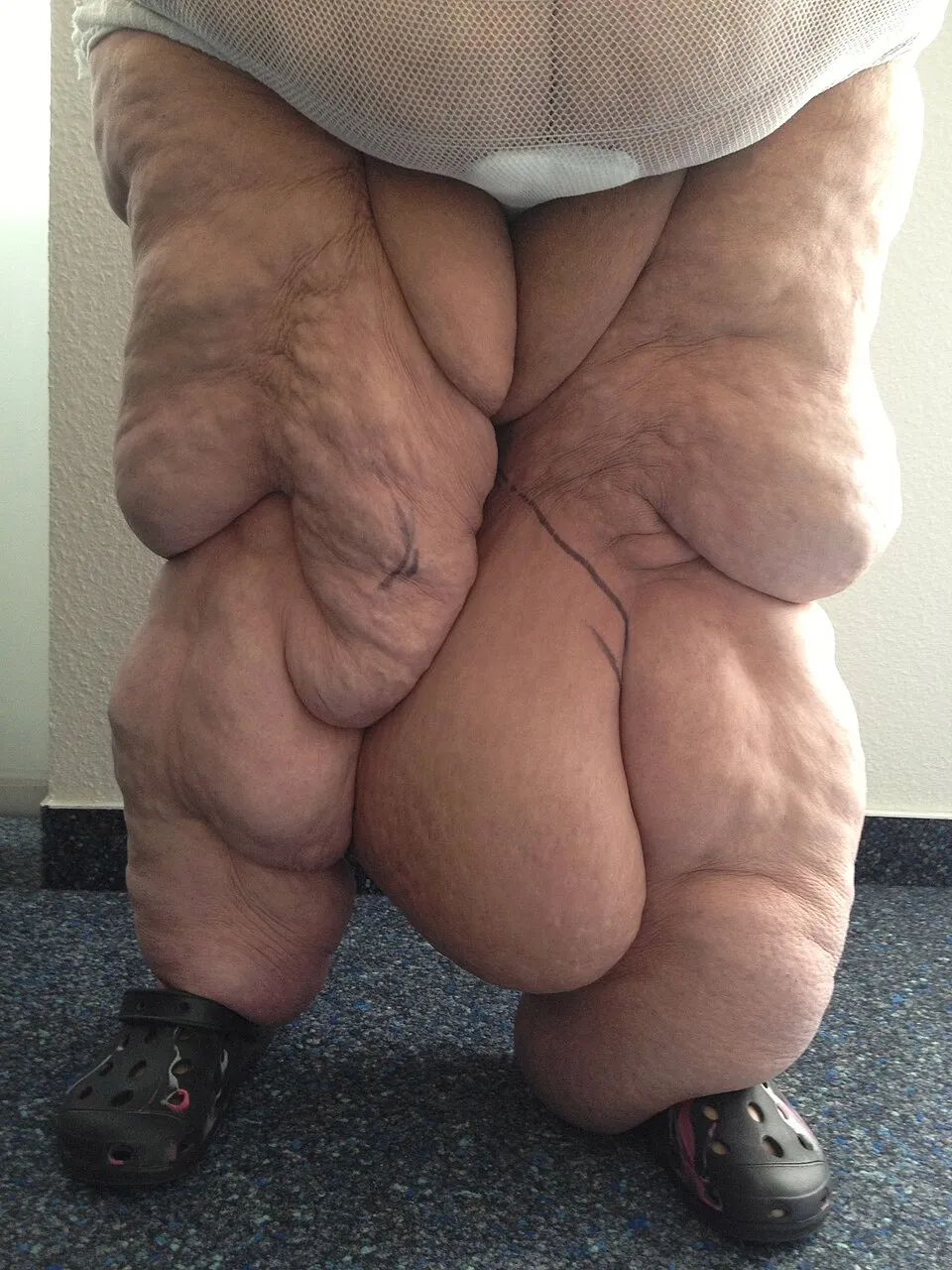
Understanding the realistic outcomes, the recovery journey, and the permanent lifestyle changes is essential for anyone considering this surgery. The procedure is a powerful tool, but long-term success depends entirely on the patient’s commitment to new habits, a focus of complete treatment guide for surgical patients.
Sleeve Gastrectomy Weight Loss: 60% Excess Weight in 12–18 Months
The expected weight loss trajectory is well-documented. Patients typically lose roughly 60% of their excess body weight within the first 12 to 18 months after surgery. “Excess weight” is calculated as the weight above a patient’s ideal body mass index (BMI). For example, a person who is 100 pounds overweight could expect to lose about 60 pounds.
This significant weight loss is accompanied by substantial improvement or complete resolution of obesity-related comorbidities. Studies show high rates of remission for type 2 diabetes and significant reductions in hypertension (high blood pressure). A landmark meta-analysis of 174,772 participants published in The Lancet (2021) found that bariatric surgery was associated with a 59% reduction in all-cause mortality among obese adults with type 2 diabetes, underscoring the life-extending benefits of procedures like sleeve gastrectomy.
Sleeve Gastrectomy Recovery Timeline: Two Weeks to Normal Activities
Recovery follows a predictable, phased progression. The initial healing period is approximately two weeks, after which most patients can return to desk jobs and light activities.
The full dietary transition takes about six weeks. A typical timeline is:
- Weeks 1–2: Strict liquid diet only (broth, sugar-free drinks, protein shakes). Activity is limited to short, frequent walks. This phase allows the staple line to heal.
- Weeks 3–4: Introduction of soft, pureed foods (mashed potatoes, scrambled eggs, yogurt). Eating must be extremely slow and deliberate.
- Weeks 5–6: Gradual transition to soft-solid foods. Patients learn to chew thoroughly (20–30 times per bite) and stop eating at the first sign of fullness.
To answer “How long does a sleeve gastrectomy take to heal?”: initial recovery to normal daily activities is about 2 weeks, but the complete dietary adaptation and internal healing extend over several months.
After Sleeve Gastrectomy: Lifelong Diet and Exercise Requirements
The surgery is a permanent tool, not a temporary fix. Long-term success requires a permanent shift in lifestyle. The lifelong requirements include:
- High-protein diet: Patients must prioritize protein intake (60–80 grams daily) to preserve muscle mass and promote healing. Protein is consumed first at every meal.
- Vitamin and mineral supplementation: Lifelong daily multivitamins, calcium citrate with vitamin D, and vitamin B12 are mandatory to prevent deficiencies.
- Mindful eating practices: Chewing each bite 20–30 times, eating slowly, and stopping at fullness (no “cleaning the plate”). Overeating can stretch the sleeve and cause nausea or vomiting.
- Regular physical activity: A combination of cardiovascular exercise and strength training is essential for maintaining weight loss and overall health.
To address “Can you ever eat normally again after a gastric sleeve?”: the answer is no. Pre-surgery eating habits—large portions, high-sugar foods, mindless eating—are no longer possible or safe. However, patients can and do establish a healthy, satisfying “new normal” with proper dietary habits and enjoy a wide variety of nutritious foods in smaller, controlled portions.
Sleeve Gastrectomy Risks: Leak, Stricture, and GERD
While generally safe, sleeve gastrectomy carries specific risks that patients must understand. The main disadvantages and complications include:
- Surgical staple line leak: This is the most serious early complication, occurring in approximately 1–3% of cases. A leak happens where the stomach is stapled shut, allowing digestive fluids to escape. It requires immediate medical attention, often including antibiotics, drainage, and possibly additional surgery.
- Gastric stricture: The sleeve can narrow (stricture) over time, making it difficult to swallow solids. This may require endoscopic dilation to widen the passage.
- Gastroesophageal reflux disease (GERD): The procedure can worsen or create new acid reflux, as the stomach’s anti-reflux mechanisms are altered. Patients with pre-existing severe GERD may be poor candidates for sleeve gastrectomy and might be steered toward gastric bypass instead.
These risks answer the question “What are the disadvantages of the sleeve gastrectomy?” and highlight the importance of choosing an experienced surgical team and adhering strictly to postoperative guidelines.
The most surprising finding is that sleeve gastrectomy’s success comes not just from stomach restriction but from significant hormonal changes (ghrelin reduction) that decrease hunger. This metabolic effect is unique among bariatric procedures and contributes to the high compliance rates seen in 2026. If you have a BMI over 40 (or 35 with associated health conditions like type 2 diabetes or hypertension) and have not achieved lasting weight loss through diet and exercise alone, schedule a consultation with a qualified bariatric surgeon at a facility like Midlands Clinic to discuss whether sleeve gastrectomy is the right option for your health journey.
Frequently Asked Questions About Sleeve Gastrectomy

What is the downside of Roux-en-Y?
Gastric bypass side effects can include digestive problems ranging from nausea to abdominal pain and diarrhea. Other risks include malnutrition, ulcers, gallstones, bowel obstruction or other complications – especially if you don't follow important post-surgery instructions and lifestyle adjustments…
What can you never do again after gastric bypass surgery?
Gastric bypass surgery transforms not only the stomach's capacity but also the way patients must approach eating for life. Certain foods, such as sugary treats, fried meals, carbonated beverages, alcohol, and processed snacks, are no longer safe options and can lead to discomfort or complications.