


Laparoscopy is a minimally invasive surgical procedure that uses a laparoscope—a thin, lighted tube with a camera—inserted through small incisions (typically 0.5 inch) to diagnose or treat conditions in the abdomen and pelvis. This approach reduces postoperative pain, shortens hospital stays by 30-40%, and accelerates recovery compared to traditional open surgery, demonstrating the key advantages of laparoscopy.
At Midlands Clinic Dakota Dunes South Dakota, part of CNOS since 2023, our surgical team led by Dr. Keith Vollstedt employs the latest 2026 advancements in laparoscopic technology to ensure optimal patient outcomes.
- Laparoscopy uses small incisions (0.5 inch) and a laparoscope for abdominal/pelvic surgery, reducing hospital stays by 30-40% (Coherent Market Insights, Feb 2026).
- The procedure typically lasts 30 minutes to 3 hours, with same-day discharge common and walking encouraged immediately post-op (Cleveland Clinic, 2024; Practice Plus Group, 2026).
- 2026 advancements include robotic-assisted systems (da Vinci) used in 5% of US surgeries, AI diagnostics, and digital twins for enhanced safety (FACS, Feb 2026).
- Recovery timeline: return to work in 3 days, exercise/sex after 2 weeks, with minimal bed rest recommended (Cleveland Clinic, 2024).
- Midlands Clinic, part of CNOS since 2023, offers outpatient minimally invasive procedures with Dr. Keith Vollstedt’s expertise.
How Is a Laparoscopy Procedure Performed?

Pre-Operative Preparation: Fasting, Medication, and Logistics
- Fasting after midnight: Patients must avoid all food and liquids for at least 8-12 hours before surgery. This empty stomach prevents aspiration of stomach contents during general anesthesia, a serious complication (Cleveland Clinic, 2024).
- No jewelry or smoking: Jewelry (especially metallic) can interfere with surgical monitoring equipment and increase infection risk. Smoking cessation at least 24 hours before surgery is critical because nicotine constricts blood vessels, reduces oxygen delivery, and increases the risk of postoperative complications (Cleveland Clinic, 2024).
- Wear loose, comfortable clothing: Tight clothing can pressure incision sites and cause discomfort. Loose garments make it easier to dress after surgery and accommodate any postoperative swelling (Cleveland Clinic, 2024).
- Arrange transportation home: General anesthesia affects coordination, reaction time, and judgment for up to 24 hours. Patients are legally prohibited from driving and must have a responsible adult drive them home and stay with them for the first 24 hours (Cleveland Clinic, 2024).
Intra-Operative Process: Anesthesia, Incision, and Instrument Insertion
During the laparoscopy procedure, the patient receives general anesthesia, ensuring they are completely unconscious and pain-free. The surgeon makes a small incision, typically about 0.5 inch, near the navel (belly button). Carbon dioxide (CO2) gas is then pumped into the abdominal cavity through this incision, gently inflating the area to create working space and improve visibility.
A laparoscope—a thin tube with a high-definition camera and light source—is inserted through the incision, transmitting real-time images to a monitor in the operating room. Depending on the specific procedure, additional tiny incisions may be made to insert specialized surgical instruments such as graspers, scissors, or electrocautery tools. The surgeon manipulates these instruments while watching the monitor, performing the necessary diagnostic or therapeutic tasks.
The entire procedure usually lasts between 30 minutes and 3 hours, depending on complexity (Cleveland Clinic, 2024). This minimally invasive approach minimizes tissue damage, resulting in less postoperative pain and a quicker return to normal activities compared to traditional open surgery.
For more details on the full range of surgical services offered at Midlands Clinic, visit our surgery page.
Immediate Post-Operative Recovery: First Hour and Discharge
After surgery, patients are transferred to a recovery room where they are monitored for approximately one hour as the anesthesia wears off. Nurses check vital signs, incision sites, and pain levels. Shoulder pain is common during this period due to residual CO2 gas irritating the diaphragm; this referred pain typically resolves within a few days.
Pain management includes prescribed medications for incision discomfort and gas-related pain. Most patients meet discharge criteria within a few hours and can go home the same day. Before discharge, patients are encouraged to walk short distances under supervision.
This early ambulation helps the body eliminate remaining CO2 gas, reduces the risk of blood clots, and promotes faster recovery. Patients are advised to continue walking at home the same day they return, gradually increasing activity as tolerated (Practice Plus Group, 2026).
2026 Laparoscopy Advancements: Robotics, AI, and Enhanced Safety
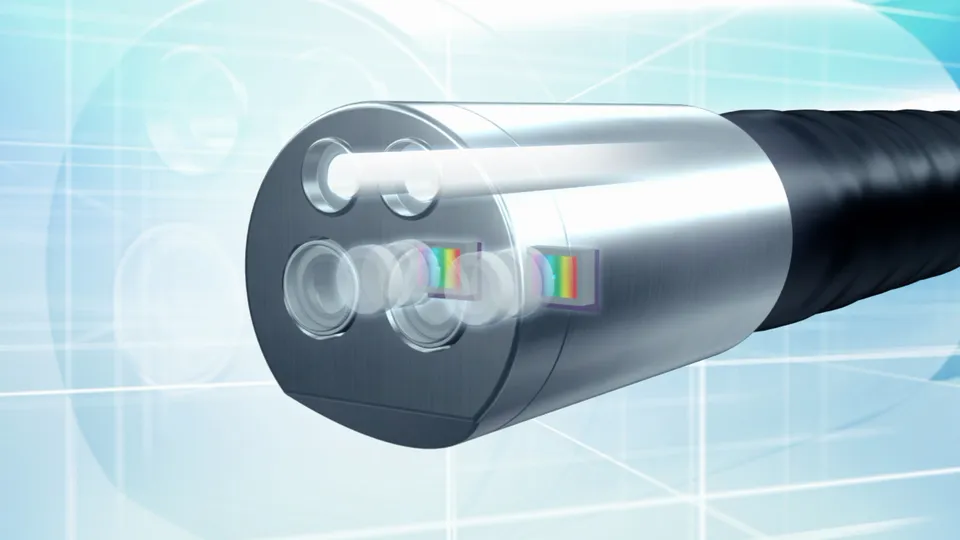
Robotic-Assisted Laparoscopy: da Vinci System Benefits and Global Adoption
Robotic-assisted laparoscopy, exemplified by the da Vinci system, represents a significant evolution beyond traditional handheld instrument laparoscopy. While both approaches use small incisions, the robotic system provides surgeons with a 3D high-definition view and instruments that offer greater dexterity and precision than the human hand alone. This enhanced precision translates to reduced blood loss, less postoperative pain, and faster recovery times (FACS, 2026).
In the United States, robotic-assisted surgery accounts for approximately 5% of all surgeries as of 2026, though adoption remains below 1% globally due to high equipment costs, training requirements, and varying healthcare infrastructure (FACS, 2026). Despite the lower global adoption rate, studies consistently show that robotic techniques improve outcomes in complex procedures, making them a valuable tool in advanced surgical centers like Midlands Clinic, which integrates CNOS resources to offer state-of-the-art options.
The robotic arms filter out hand tremors and allow for more precise suturing and dissection, particularly beneficial in delicate areas such as the pelvis or near major blood vessels. Additionally, the ergonomic design reduces surgeon fatigue during long procedures, potentially improving concentration and decision-making.
To learn more about our robotic-assisted surgery program and how it can benefit you, explore our robotic-assisted surgery page.
AI Diagnostics and Digital Twins: Reducing Surgical Risks in Real-Time
Emerging technologies in 2026 are further enhancing laparoscopic safety through artificial intelligence and digital twin simulations. AI-powered diagnostic tools can analyze live video feeds from the laparoscope, identifying tissue characteristics and flagging potential abnormalities in real-time. This assists surgeons in making more accurate decisions during the procedure, such as distinguishing between healthy and diseased tissue or detecting hidden blood vessels.
Meanwhile, digital twin technology creates a virtual, patient-specific model based on preoperative imaging. Surgeons can simulate the entire laparoscopic procedure on this digital twin beforehand, practicing complex steps and anticipating potential complications like adhesions or anatomical variations. These innovations reduce intraoperative surprises and improve patient outcomes, representing the cutting edge of surgical safety protocols (FACS, 2026).
Laparoscopy Recovery Timeline: Pain Management and Activity Guidelines

Post-Operative Pain: Why Shoulder Pain Occurs and Relief Strategies
Shoulder pain is a common and often surprising side effect after laparoscopy, affecting up to 80% of patients. This referred pain occurs because the carbon dioxide gas used to inflate the abdomen irritates the diaphragm, which shares nerve pathways with the shoulder (specifically the phrenic nerve). The pain typically peaks within 24-48 hours and gradually subsides as the gas is absorbed.
Pain management includes prescribed medications such as acetaminophen or short courses of opioids for severe discomfort. Positioning strategies, like lying flat or on the left side, can help.
Gentle movement and walking are encouraged because they promote gas absorption and movement through the body. Most shoulder pain resolves within 2-3 days without intervention, but patients should report severe or persistent pain to their surgeon (Practice Plus Group, 2026).
Activity Guidelines and Return to Work: 3 Days to 2 Weeks
Recovery after laparoscopy is generally swift, but activity restrictions vary by the type of activity and individual factors. The following table outlines typical return timelines based on 2024 clinical guidelines from Cleveland Clinic. Patients should always follow their surgeon’s specific instructions, as these general guidelines may be adjusted for personal health status and the exact procedure performed.
| Activity | Typical Return Timeline |
|---|---|
| Desk job (sedentary work) | 3 days |
| Physical labor or heavy lifting | 2-4 weeks |
| Exercise (low-impact) | 2 weeks |
| Sexual activity | 2 weeks |
| Driving | 1 week (if not taking pain medication) |
The most surprising statistic is that robotic-assisted surgery accounts for only 5% of all US surgeries in 2026, despite clear evidence of reduced blood loss, less pain, and faster recovery. This low adoption rate means many patients may not be aware of these advanced options. If you are considering laparoscopic surgery, ask your surgeon about the availability of robotic-assisted techniques and AI-enhanced safety protocols.
At Midlands Clinic, our integration with CNOS provides access to cutting-edge technology, including da Vinci systems and digital twin planning, ensuring you receive the most advanced care available. Schedule a consultation to discuss which approach best suits your condition and lifestyle.