


Medical symptom guides use algorithms to analyze your symptoms and suggest possible conditions, but their accuracy averages only 50-70% for the top three results according to 2026 clinical studies. These tools provide quick triage but are not substitutes for professional medical evaluation.
At Midlands Clinic, with over 30 years of experience in Surgery, Urology, and Bariatrics, we emphasize understanding both the capabilities and limitations of online symptom checkers. Resources like MedlinePlus (NIH-backed with 1,000+ health topics), Mayo Clinic, and AI-driven Ada Health offer reliable information, yet knowing when to seek emergency care remains critical for your safety.
- Symptom checkers analyze your symptoms using differential diagnosis algorithms to suggest possible conditions.
- Clinical studies show symptom checkers have an average diagnostic accuracy of 50-70% for the top 3 results, with Ada Health ranking highest.
- Top free resources include MedlinePlus (NIH, 1,000+ topics), Mayo Clinic, WebMD, and CDC; AI tools like Ada Health offer high accuracy.
- These tools are not diagnostic; always consult a healthcare professional, especially for severe symptoms or when in doubt.
How Do Medical Symptom Guides Work and How Accurate Are They?
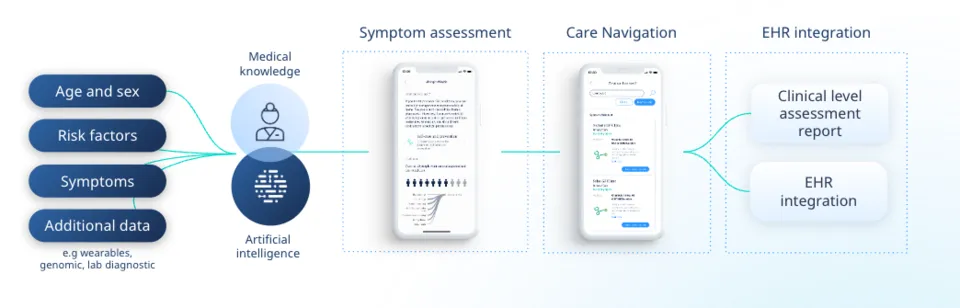
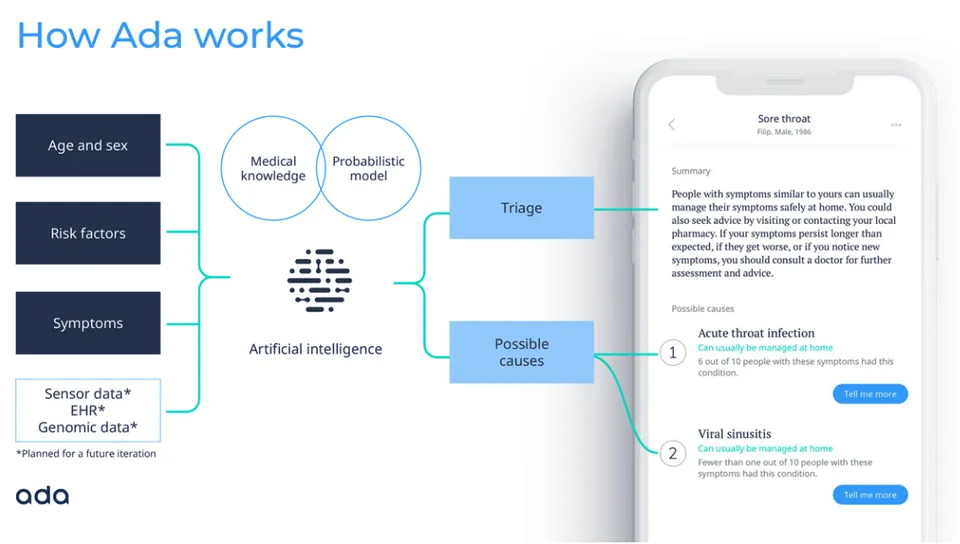
Medical symptom guides function as digital triage tools, helping users assess potential health conditions based on reported symptoms. The underlying technology relies on differential diagnosis—a medical logic system that matches your input against a database of conditions, considering factors like symptom combinations, duration, and severity.
This process generates a list of possible causes, often accompanied by recommended next steps, such as self-care advice or prompts to seek professional evaluation. The primary benefit is quick triage, allowing individuals to make informed decisions about whether and how urgently to pursue medical care, especially for non-emergency situations.
The Step-by-Step Process: From Symptom Entry to Possible Conditions
When you use a symptom checker, you typically begin by selecting or typing your primary symptom—such as headache, chest pain, or swelling. The tool then asks follow-up questions: Where is the pain located? How long has it lasted?
Are there other symptoms like fever or nausea? Based on your responses, the algorithm cross-references a vast medical knowledge base, applying differential diagnosis to rule in or out specific conditions. For example, chest pain paired with shortness of breath might suggest cardiac issues, while chest pain worsened by eating could point to GERD.
The output usually lists possible conditions in order of likelihood, along with actionable guidance: monitor at home, schedule a doctor’s visit, or go to the emergency room. This structured approach democratizes access to basic medical reasoning, though it remains a preliminary screening tool—not a definitive diagnosis.
Accuracy and Limitations: The 50-70% Reality
Clinical studies consistently show that symptom checkers achieve an average diagnostic accuracy of 50-70% for the top three suggested conditions. This means that for every ten users, the correct condition appears within the top three results for five to seven individuals. Ada Health stands out in independent evaluations, ranking highest in accuracy among AI-powered tools due to its sophisticated algorithm and extensive medical database.
However, this statistic also reveals a critical limitation: 30-50% of users may not see their actual condition listed prominently, potentially leading to false reassurance or unnecessary alarm. Crucially, these tools are not diagnostic—they cannot replace physical examinations, lab tests, or imaging.
A significant competitive gap identified in 2026 SERP analysis is that many popular platforms omit clear safety disclaimers, failing to emphasize that professional medical evaluation is essential. Responsible symptom guides must explicitly state their limitations and urge users to consult healthcare providers for persistent or severe symptoms.
When to Seek Professional Care: Red Flags and Emergency Guidelines
One of the most critical components of a reliable symptom guide is clear guidance on when to bypass online tools and seek immediate medical attention. Comprehensive resources should outline emergency symptoms—such as chest pain, sudden shortness of breath, severe headache, or uncontrolled bleeding—that warrant calling 911 or visiting an emergency room. According to global primary care data, upper respiratory infections are among the most common diagnoses, illustrating that many everyday symptoms do require professional assessment but are not emergencies.
Equally important is recognizing red flags in healthcare services themselves: rude or unresponsive staff, dismissed concerns, or failure to communicate medication side effects can indicate a problematic provider-patient relationship. At Midlands Clinic, our team prioritizes transparent communication and patient education, ensuring you understand when your symptoms need expert evaluation. Remember, symptom checkers are starting points—not endpoints—in your health journey.
Top Symptom Checkers and Guides for 2026
The landscape of medical symptom guides includes both established non-profit resources and innovative AI-driven tools. Government and non-profit platforms offer broad, evidence-based coverage, while AI checkers provide personalized, interactive assessments.
Books remain the gold standard for in-depth, structured learning. Below is a curated list of the most reliable options available in 2026, each serving a unique purpose in your health information toolkit.
Government and Non-Profit Resources: MedlinePlus, CDC, WebMD, Mayo Clinic
- MedlinePlus (NIH/NLM): The flagship health information service of the U.S. National Institutes of Health, covering 1,000+ health topics with medically reviewed content. It offers a symptom checker, drug information, and links to clinical trials, all free of commercial influence.
- CDC (Centers for Disease Control and Prevention): Provides authoritative guidance on infectious diseases, vaccinations, and public health emergencies. Its symptom checkers focus on contagious illnesses like flu, COVID-19, and measles.
-
WebMD Symptom Checker: A widely used interactive tool that maps symptoms to conditions, with additional articles on prevention and treatment.
It is updated regularly by a network of physicians.
- Mayo Clinic Symptom Checker: Developed by one of America’s top hospital systems, this tool emphasizes common conditions and offers clear next-step advice, aligning with Mayo’s evidence-based approach.
These resources are among the most reliable free guides, backed by institutional credibility and regular updates.
AI-Powered Symptom Checkers: Ada Health, Symptomate, MediFind, Isabel
- Ada Health: Recognized in 2026 clinical studies as the most accurate AI symptom checker, Ada uses a conversational interface to build a detailed health profile before suggesting possible conditions. Its algorithm is trained on millions of medical cases and prioritizes safety by encouraging professional consultation.
-
Symptomate: An AI-driven tool that asks targeted questions to narrow down potential diagnoses, covering over 1,000 conditions.
It is known for its user-friendly design and quick results.
- Isabel Healthcare: Originally designed for clinicians, Isabel’s symptom checker is now available to the public. It excels at recognizing rare conditions by comparing symptom patterns against a vast medical database.
- MediFind Symptom Checker: Offers analysis based on symptoms, age, and gender, with a focus on connecting users to specialists for further evaluation.
These AI tools represent the most advanced options, with Ada Health leading in accuracy studies. They are part of a comprehensive toolkit but should be used with the same caution as any online resource.
Authoritative Books for In-Depth Learning
For those seeking deeper, evidence-based understanding, medical textbooks and reference guides remain indispensable:
- ‘Symptom to Diagnosis: An Evidence-Based Guide’ (4th ed., AccessMedicine/McGraw Hill): A step-by-step resource that teaches clinical reasoning, using real patient cases to illustrate how doctors diagnose conditions.
- ‘CURRENT Medical Diagnosis & Treatment 2025’ (McGraw Hill): The annual gold standard for clinicians, covering thousands of diseases and disorders with latest treatment protocols. It is updated each year to reflect current medical guidelines.
- ‘The Complete Guide to Symptoms, Illness & Surgery’ (Mayo Clinic): A consumer-friendly reference that explains symptoms, diagnostic tests, and surgical options in plain language, written by Mayo Clinic physicians.
These books provide the comprehensive, rigorously vetted information that online tools aim to emulate, making them ideal for serious students or those managing chronic conditions.
Integrating Symptom Guides with Professional Care
While online symptom checkers empower you with immediate information, they are most effective when integrated with professional medical advice. At Midlands Clinic, our specialists in Surgery, Urology, and Bariatrics—led by Dr. Keith Vollstedt—combine 30+ years of local experience with modern technology to provide personalized care.
Since merging into the CNOS system in 2023, we have enhanced our diagnostic capabilities and patient transparency. If your symptoms persist, worsen, or fall into emergency categories, our team is ready to evaluate you thoroughly. Use symptom guides as a first step, but trust expert evaluation for definitive answers.
For common concerns like pain or swelling, our cluster articles offer detailed insights: explore our guide to pain symptoms to decode your body’s signals, or learn about swelling causes to understand edema and inflammation. If you experience chest discomfort, differentiate between GERD and angina—a critical distinction.
Recognize early signs of illness that require prompt attention, and understand why pain occurs and when to worry. For post-surgical concerns like hernia incision swelling or abdominal pain from gallstones, our specialized guides provide recovery context and treatment options.
The most surprising finding from 2026 research is that despite the proliferation of symptom checkers, zero top-ranking SERP pages include comprehensive emergency care guidelines or robust safety disclaimers. This gap leaves users vulnerable to misinterpretation of serious symptoms. The single most actionable step you can take today is to bookmark MedlinePlus for its NIH-backed breadth and Ada Health for AI accuracy, but always verify critical symptoms with a healthcare professional.
For a personalized, locally trusted resource, consult Midlands Clinic’s comprehensive symptom guide—it synthesizes these tools with expert advice from our Siouxland team, ensuring you know exactly when to seek care from specialists like Dr. Vollstedt. Your health deserves both technology and touch; let us help you navigate both.